


You want a pediatric dentist in Herrin, IL who understands kids, eases anxiety, and protects growing smiles. A gentle, experienced pediatric dentist in Herrin can provide age‑appropriate care, preventive plans, and comforting treatment that keeps your child’s teeth healthy and reduces dental fear.
They explain common needs like teething, cavities, and fluoride in simple terms and use kid‑friendly techniques to build trust. Expect guidance on at‑home care, modern options for fillings and emergencies, and tips for choosing a dental home that fits your family.
You’ll find information on creating positive visits, preventive checkups, restorative treatments, age‑specific considerations, and how local practices partner with families and the Herrin community to support long‑term dental wellness.
Understanding Children’s Dental Needs
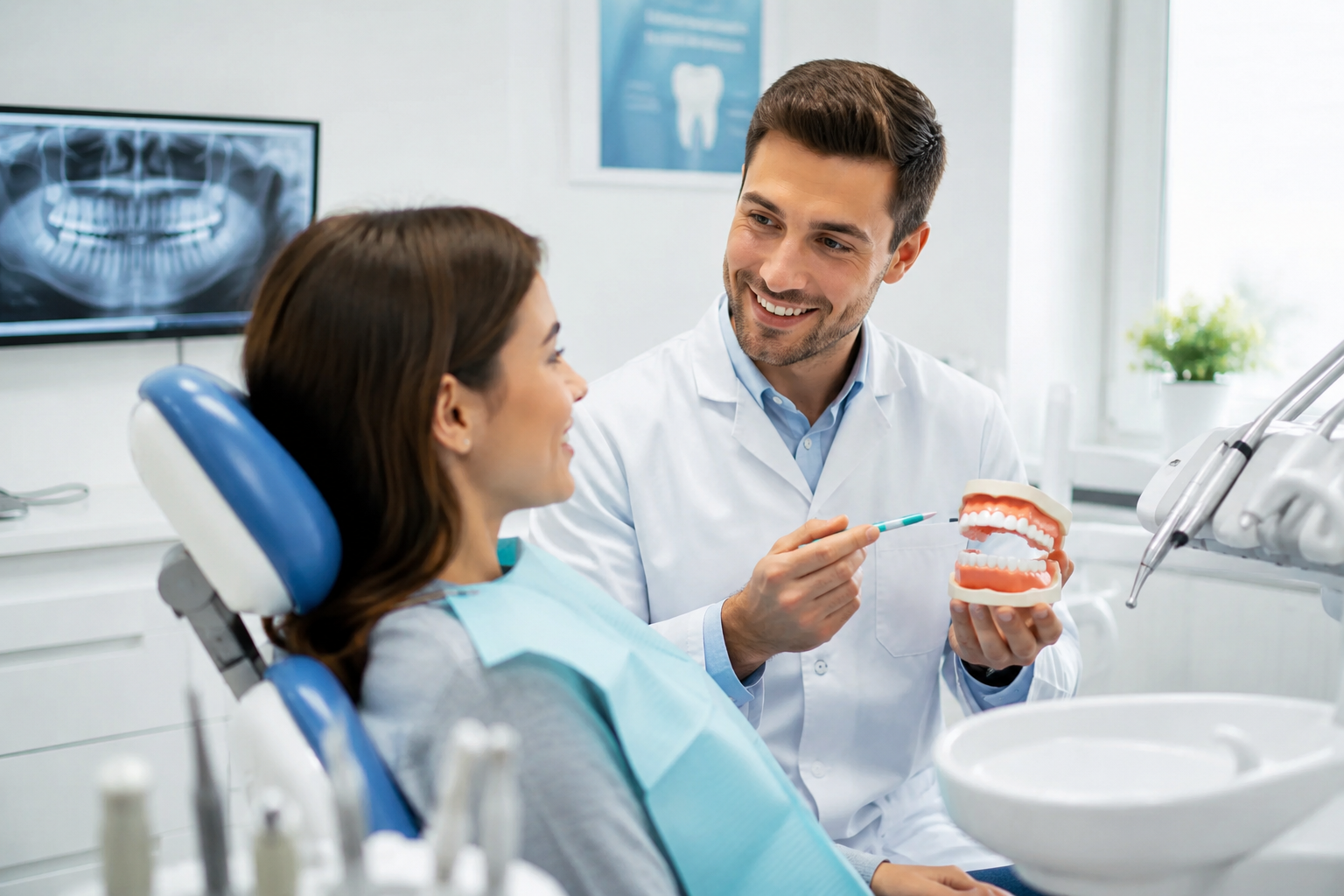
Children need specific dental care that changes as they grow. Addressing tooth development, decay prevention, and early habits helps ensure healthy mouths into adolescence.
Primary vs. Permanent Teeth
Primary (baby) teeth begin erupting around 6 months and usually finish by age 3. They hold space for permanent teeth, assist speech development, and help proper chewing. Losing a primary tooth too early can cause crowding or misalignment later, so dentists may use space maintainers when necessary.
Permanent teeth start replacing primary teeth around age 6 and continue into the late teens. Enamel on newly erupted permanent molars is softer and more prone to decay, so protective measures like fluoride varnish and dental sealants are often recommended. Regular monitoring catches alignment issues early, allowing for timely orthodontic referrals.
Parents should track eruption timelines and report delayed or early loss to the pediatric dentist. Good daily habits—brushing with fluoride toothpaste twice daily and limiting sugary drinks—protect both primary and permanent teeth.
Common Pediatric Dental Concerns
Tooth decay (early childhood caries) remains the most common issue; it often appears as white spots or brown pits near the gum line. Nighttime bottle use with sugary liquids and frequent snacking increase risk. Pediatric dentists focus on behavior-based prevention and targeted treatments such as atraumatic restorative techniques for young children.
Tooth sensitivity, trauma from falls, and thumb-sucking are frequent concerns. Sensitivity after eruption can reflect thin enamel; mild cases respond to fluoride and desensitizing toothpaste. For dental trauma, immediate assessment limits complications—avulsed permanent teeth sometimes can be replanted if treated quickly.
Developmental issues like spacing, crowding, or bite problems may emerge by early school age. Pediatric dentists track growth and recommend interceptive orthodontics when it can simplify future treatment. Vaccinations, chronic medical conditions, and medications that reduce saliva should also be discussed, because they affect oral health.
Importance of Early Dental Visits
The American Academy of Pediatric Dentistry recommends a dental visit by the child’s first birthday or within six months of the first tooth. Early visits establish a dental home, let the clinician assess risk factors, and teach parents safe home care techniques such as proper brushing amounts and fluoride use.
These visits are short, low-stress exams tailored to a child’s attention span. They include a gentle exam, risk assessment for decay, and anticipatory guidance about teething, diet, and injury prevention. Early engagement builds trust, reduces dental anxiety, and increases the chance that problems will be caught and treated conservatively.
Practical takeaways: schedule the first visit early, bring questions about diet and habits, and follow preventive recommendations like sealants and topical fluoride when indicated.
Creating a Positive Dental Experience
A visit can feel calm and predictable when staff prepare the child, explain steps, and use playful but clear tools. Predictable routines, gentle language, and tangible comfort items make appointments easier for both kids and caregivers.
Approaches for Reducing Dental Anxiety
Pediatric dentists in Herrin, IL, often use graded exposure: they break procedures into small, explained steps and let the child watch and touch non-threatening instruments first. For example, the hygienist may let a child hold the mirror, then demonstrate the suction on a stuffed animal, then perform a quick examination — each step earns praise or a small reward.
Behavior guidance techniques like “tell-show-do” and positive reinforcement remain central. Tell-show-do explains the action in simple words, show demonstrates on a model, and do completes the action calmly. Nitrous oxide (laughing gas) is available for moderate anxiety and is administered with continuous monitoring; dentists explain effects, duration, and safety to parents beforehand.
Parental presence policies vary; many offices allow a caregiver in the room for young or especially anxious children, while others request absence for cooperative behavior during certain procedures. Sedation options, from oral sedatives to conscious intravenous sedation, are discussed only after assessing medical history and weight, and with explicit consent and written pre-op instructions.
Child-Friendly Office Environment
A child-friendly office in Herrin focuses on visual and tactile comfort. Waiting rooms commonly include age-specific toys, books, and an aquarium or wall murals that reflect local scenes to create familiarity. Clear signage using simple icons helps nonreaders navigate to restrooms and treatment rooms.
Treatment rooms often feature adjustable lighting, kids’-sized dental chairs, and headphones or video screens so the child can watch cartoons. The team stocks comfort items — warm blankets, flavored fluoride varnish options, and sensory-friendly goggles — and offers distraction tools like bubble wands or tooth-brushing charts to reinforce home care.
Infection control and clinical sterility remain visible but unobtrusive. Staff wear friendly-colored scrubs and name badges showing roles to reduce confusion. Offices provide parent-focused materials at reception: procedure checklists, vaccine and medication questionnaires, and clear financial/insurance guidance to reduce pre-visit stress.
Gentle Communication Techniques
Clinicians prioritize age-appropriate language, avoiding words like “shot” or “hurt” and instead using neutral phrases such as “sleepy juice” only when medically accurate and explained to parents. They use short sentences and repeat key instructions, which helps toddlers and school-age children follow simple steps like “open wide” or “breathe slowly.”
Nonverbal cues matter: smiling, kneeling to the child’s eye level, and a calm tone lower stress. Dentists employ positive scripts — for example, “Nice job keeping your teeth open” — and pair them with immediate, specific praise that reinforces cooperation. They also use the “choice technique” to give the child control, offering two acceptable options like choosing the flavor of fluoride or which sticker to pick afterward.
Before any procedure, staff review what will happen, how long it will take, and what the child can expect to feel. They invite caregiver questions, document prior dental experiences, and create a short, written plan with steps and coping tools for the appointment.
Preventive Care for Healthy Smiles
Preventive care keeps teeth strong and detects problems early. Regular visits, targeted treatments, and simple at-home habits cut cavities and protect developing smiles.
Dental Cleanings and Exams
Dental cleanings remove plaque and tartar that brushing misses, especially along the gumline and between teeth. Hygienists use handheld instruments and ultrasonic scalers to clean surfaces, then polish to smooth enamel and reduce future buildup.
Exams include visual checks and X-rays when needed to spot cavities, tooth development issues, or alignment concerns. For young children, the dentist evaluates bite, oral habits (thumb-sucking, mouth breathing), and eruption patterns to plan any preventive or interceptive care.
Appointments typically last 30–45 minutes for routine visits and longer for new patients or patients with special needs. The office documents findings and gives age-specific guidance on brushing, flossing, and diet to lower decay risk.
Fluoride Treatments
Fluoride strengthens enamel by helping remineralize early decay and increasing resistance to acid from sugars and bacteria. The clinician applies a concentrated fluoride varnish or foam for one to four minutes; varnish is sticky and often preferred for children because it sets quickly.
Professional fluoride is recommended every 3–6 months for kids at elevated risk of cavities, such as those with past decay, limited fluoride exposure, or high-sugar diets. For low-risk children, annual or biannual application during routine cleanings may suffice.
At-home fluoride toothpaste remains essential; children should use a smear or pea-sized amount depending on age. The dentist will advise on swallowing precautions and any additional supplements if community water lacks fluoride.
Dental Sealants
Dental sealants act as a physical barrier on the chewing surfaces of molars and premolars, sealing deep grooves where food and bacteria hide. The clinician cleans and dries the tooth, applies an etchant, then bonds a thin resin that hardens in seconds with a curing light.
Sealants prevent most pit-and-fissure cavities on treated teeth and can last several years with routine checks and occasional touch-ups. They suit children as soon as permanent molars erupt (around ages 6 and 12) and also benefit some primary molars at high risk.
Application is quick, painless, and requires no drilling when teeth are healthy. The office will record which teeth received sealants and inspect them at each visit to ensure continued protection.
Restorative and Emergency Treatments
Pediatric dental care in Herrin focuses on fixing damaged teeth quickly and comfortably while protecting developing smiles. Treatments prioritize tooth preservation, pain relief, and reducing anxiety for both child and parent.
Tooth-Colored Fillings for Kids
Tooth-colored (composite) fillings match natural tooth shade and bond directly to enamel, which preserves more healthy tooth structure than older metal fillings. The dentist uses a gentle local anesthetic and isolation with a rubber dam or cotton rolls to keep the area dry and comfortable during bonding.
Composites are ideal for front teeth and small-to-moderate cavities on back teeth in children. They harden quickly with a curing light, allowing same-visit restoration of chewing function and appearance. Parents should expect brief sensitivity for a day or two; routine fluoride and good brushing reduce future decay.
If a child is anxious, the office may offer nitrous oxide or a child-friendly behavior approach to ease cooperation. The team documents the filling size and material and schedules follow-ups to monitor wear and eruption of permanent teeth.
Handling Dental Injuries
Immediate action dramatically improves outcomes for knocked-out, fractured, or displaced teeth. For an avulsed (knocked-out) permanent tooth, pick it up by the crown, rinse briefly with water without scrubbing, and attempt to reinsert it if the child allows; otherwise keep it moist in milk or saline and seek emergency care within 30–60 minutes.
For broken or chipped teeth, save any fragments in milk and bring them to the appointment. The dentist assesses nerve involvement, X-rays the area, and may smooth minor chips, bond fragments, or place a protective restoration. For baby teeth that are displaced or loosened, urgent evaluation prevents damage to underlying permanent tooth buds and addresses pain or infection risk.
Emergency visits prioritize pain control, infection prevention with antibiotics when indicated, and stabilization (splinting) of loose permanent teeth. Staff coach parents on home care: soft diet, cold compresses, and avoiding biting on the injured side.
Pulp Therapy
Pulp therapy treats infected or inflamed dental pulp to save a tooth when decay reaches the nerve. For baby teeth, a pulpotomy removes the diseased crown pulp and leaves healthy root pulp intact, followed by a stainless-steel crown when needed to restore function and prevent reinfection.
A pulpectomy, used when root pulp is infected, removes all pulp tissue, disinfects canals, and fills them with a resorbable material suited for primary teeth. For permanent young teeth with open roots, apexification or regenerative endodontic procedures encourage continued root development and strengthen long-term prognosis.
Procedures occur under local anesthesia and often with rubber dam isolation. Follow-up appointments confirm healing on X-rays and evaluate for symptoms. The goal remains clear: relieve pain, preserve the tooth until natural exfoliation or full development, and minimize future complications.
If questions arise or a child needs immediate attention, contact the Herrin pediatric dental office for evaluation and next steps.
Guidance for Parents and Caregivers
Parents should focus on daily habits, routine dental visits, and smart food choices to protect developing teeth. Consistent brushing, supervised flossing, and limiting sugary drinks prevent cavities and set lifelong habits.
Tips for Encouraging Good Oral Hygiene
Start early: caregivers should begin wiping gums after feedings and introduce a soft-bristled, age-appropriate toothbrush when the first tooth appears. Use a smear of fluoride toothpaste for children under 3 and a pea-sized amount from ages 3–6.
Establish a routine: brush twice daily for two minutes. Use a timer, a song, or an app to keep sessions consistent and fun. Supervise brushing until at least age 7–8 to ensure proper technique.
Positive reinforcement works: praise effort, use sticker charts, or offer small non-food rewards for consistent brushing and flossing. Avoid threats or punishment.
Model behavior: caregivers should brush and floss in front of children. Seeing an adult take oral care seriously normalizes the habit.
Make tools appealing: choose toothbrushes with favorite characters and flavored fluoride toothpaste that the child likes. Replace toothbrushes every three months or after illness.
Schedule regular dental visits: arrange the first dental exam by the child’s first birthday or when the first tooth erupts. Discuss fluoride needs, sealants, and any behavioral strategies with the dentist.
Understanding Nutrition’s Impact on Teeth
Sugar frequency matters more than total sugar. Sticky snacks and frequent sips of juice or sports drinks keep sugar on teeth longer and increase cavity risk. Encourage whole fruits instead of fruit snacks and limit juice to 4–6 ounces per day for toddlers.
Promote tooth-friendly choices: cheese, plain yogurt, and crunchy vegetables stimulate saliva and help neutralize acids. Water, especially fluoridated tap water, is the best daily beverage for oral health.
Avoid overnight bottles with milk or juice, which bathe teeth in sugars for hours. If a child needs a comfort bottle at night, fill it with water.
Plan meals and snacks: offer three balanced meals with limited between-meal grazing. If snacks are necessary, choose low-sugar options like nuts, cheese, or apple slices.
Discuss supplements and fluoride: caregivers should ask the pediatric dentist about fluoride varnish, home fluoride toothpaste use, and fluoride supplements if local water lacks fluoride.
Modern Technologies in Children’s Dentistry
Modern pediatric practices in Herrin, IL use targeted technology to reduce radiation, speed diagnosis, and make visits more comfortable for children. Parents can expect safer imaging, gentle treatment tools, and digital records that streamline care and communication.
Digital X-Rays
Digital X-rays cut radiation exposure by up to 80–90% compared with traditional film, which matters for children’s developing bodies. Sensors capture clear images instantly, so the dentist can identify cavities between teeth, early enamel defects, and developing permanent teeth without repeated exposures.
Images appear on a chairside monitor immediately, allowing the dentist to point out concerns to both parent and child. Many offices use software that enlarges, annotates, and stores images in the patient’s electronic record for easy comparison at future visits. Bitewing and panoramic digital X-rays remain the standard for routine diagnostics and treatment planning in pediatric care.
Comfort-First Treatment Methods
Pediatric dentists in Herrin prioritize techniques that reduce anxiety and physical discomfort during procedures. Examples include topical anesthetics before injections, computerized local anesthesia devices that control flow to minimize pain, and warm blankets or pediatric headphones to distract and relax children.
For restorative work, many practices use tooth-colored composite fillings placed with gentle isolation techniques and LED curing lights that shorten procedure time. When behavior management is needed, dentists offer tell-show-do, positive reinforcement, and, when appropriate, nitrous oxide (laughing gas) administered with monitoring to keep children calm while remaining responsive.
Special Considerations for Different Ages
Different ages require different preventive steps, behavior strategies, and treatment priorities to keep children’s mouths healthy and comfortable. Practical guidance helps parents schedule visits, manage habits, and choose treatments that match development and comfort needs.
Infant Oral Health
Infants need dental attention from eruption of the first tooth or by 12 months, whichever comes first. Parents should begin cleaning gums with a soft, damp cloth after feedings and use a rice-grain amount of fluoride toothpaste once the first tooth appears.
Bottle and nursing habits matter: avoid putting a baby to bed with a bottle of milk or juice to reduce early childhood caries. If prolonged breastfeeding at night continues past tooth eruption, wipe teeth afterward to lower decay risk.
First dental visits focus on oral anatomy, risk assessment, and anticipatory guidance. The pediatric dentist will check for tongue-tie, examine eruption patterns, and advise on teething pain relief, pacifier use, and introducing a cup. Vaccination or medical history details that affect dental care should be shared.
Dental Care for Tweens and Teens
Tweens and teens face orthodontic changes, higher cavity risk from sugary diets, and sports-related injury risks. Regular six-month cleanings remain essential; the dentist may recommend more frequent visits if braces, deep grooves, or dry mouth are present.
Preventive treatments often include dental sealants on permanent molars and topical fluoride varnish during checkups to strengthen enamel. For teens with braces, specialized flossers, interdental brushes, and electric toothbrushes improve plaque control around brackets and wires.
Behavior and consent shift as teens gain independence. The dentist will discuss cosmetic options, concussion precautions with mouthguards, and smoking/vaping risks affecting oral health. Parents should bring medication lists and insurance details to appointments and encourage teens to speak directly with the dentist about concerns.
Choosing the Right Dental Home
Finding a dental home means more than location; it means consistent, compassionate care and clear communication about prevention, treatment, and comfort options. The right office will combine pediatric expertise, a child-friendly environment, and evidence-based practices to support long-term oral health.
Qualities of an Exceptional Pediatric Dental Team
An exceptional team includes a pediatric dentist with board certification or pediatric specialty training, plus staff experienced in behavior guidance for infants through teens. They should use age-appropriate language, distraction techniques, and positive reinforcement to reduce fear and build trust.
The office should offer modern infection control, digital X-rays with low radiation, and child-sized instruments. Look for sedation options (nitrous oxide, oral sedation) and clear protocols for medical history, emergency plans, and individualized treatment goals.
Communication matters: parents receive written care plans, preventive schedules, and guidance on fluoride, diet, and toothbrushing techniques. Multilingual staff, flexible scheduling, and insurance/financing transparency help families maintain regular care.
Questions to Ask at Your First Visit
Ask about the dentist’s credentials and how often they treat children the same age as your child. Request examples of behavior-management strategies and whether parents may stay in the room during treatment.
Inquire about preventive measures: frequency of cleanings, fluoride varnish policy, sealant indications, and expected recall intervals. Ask which X-ray types they use and how they minimize exposure.
Clarify office logistics: appointment length, emergency availability, billing practices, accepted insurance, and any sedation fees. Finally, ask how they handle special needs or dental anxiety and whether they provide take-home resources or follow-up calls after procedures.
Partnering With the Herrin, IL Community
The pediatric dental team in Herrin builds relationships with families through regular outreach and school programs. They visit local elementary schools to teach brushing and flossing with simple demonstrations that children remember.
They host free or low-cost screening events during city health fairs and coordinate with community centers to reach underinsured children. These events focus on prevention: sealants, fluoride guidance, and quick checkups.
Parents find the practice approachable and responsive to common concerns like anxiety and special-needs care. Staff explain treatment steps in plain language and offer comfort measures such as child-friendly settings and behavior guidance.
Local partnerships include referrals with pediatricians and collaborations with early childhood programs. These links help identify dental issues early and create a consistent care path from infancy through adolescence.
The office often shares resources—brochures, videos, and social media tips—so families can practice good habits at home. Simple takeaways include two minutes twice daily brushing, limiting sugary drinks, and scheduling regular checkups.
Readers are encouraged to contact the Herrin pediatric dental office for questions or to arrange a visit. They can ask about school presentations, community events, or how the practice supports children with special needs.
Next Steps for Your Child’s Dental Wellness
Parents should schedule the child’s first or next appointment with a pediatric dentist in Herrin, IL within a few months to keep checkups on track. Regular visits let the team catch issues early and tailor care to a child’s age and needs.
Maintain daily habits at home: brush twice a day with a pea-sized fluoride toothpaste and floss once daily. Use a soft-bristled brush and make brushing a short, positive routine—sing a favorite song or use a timer.
Ask about preventive treatments during visits, such as sealants and fluoride varnish. These options reduce cavities and are simple, quick procedures that many children tolerate well.
Discuss comfort options and behavior techniques if the child feels anxious. Pediatric practices often offer child-friendly explanations, gentle coaching, and sometimes nitrous oxide when appropriate.
Keep a simple checklist for appointments:
- Bring insurance info and dental records when possible.
- Note any changes in health or medications.
- List specific concerns or questions beforehand.
Contact the pediatric dentist with questions about diet, thumb-sucking, or orthodontic timing. The office can offer practical tips and schedule follow-ups that fit the child’s development.
Encourage parents to call the Herrin office to arrange a visit or ask about virtual consultations. They will get clear guidance and a plan tailored to the child’s comfort and dental wellness.
Frequently Asked Questions
This section answers practical concerns parents in Herrin, IL most often ask about pediatric dental care, appointment logistics, prevention, and emergencies.
How do I choose the right dentist for my child’s first dental visit?
Parents should look for a dentist with pediatric training or significant experience treating children and positive, current patient reviews specific to behavior management.
Confirm the office offers child-friendly amenities, a calm atmosphere, and staff trained in working with anxious children.
What should I expect at my child’s first dental appointment, and how can I help them feel comfortable?
The first visit typically includes a gentle exam, cleaning if the child tolerates it, and time to discuss oral hygiene and diet with the parent.
Bring a favorite toy or book, use simple, positive language about the visit, and schedule during your child’s usual awake, calm time.
What are the signs my child might have a cavity, and when should I schedule a checkup?
Look for visible pits or dark spots on teeth, pain when biting, sensitivity to hot or cold, or unexplained fussiness in toddlers.
Schedule a dental checkup as soon as you notice these signs; otherwise maintain routine exams every six months or as the dentist recommends.
Do you offer weekend appointments for families with busy school and work schedules?
Many pediatric dental practices in Herrin offer early morning, late afternoon, and some weekend slots to accommodate school and work.
Call the office directly to confirm current availability and to request a weekend or flexible appointment time.
What should I do if my child has a dental emergency after hours or on the weekend?
For severe pain, uncontrolled bleeding, or a knocked-out permanent tooth, contact the dental office’s emergency number or go to the nearest emergency room immediately.
For less urgent issues—loose crowns, minor chipped baby teeth—call the dentist the next business day for guidance and to schedule a prompt appointment.
When might my child need dental sealants or fluoride treatment, and how do they help prevent cavities?
Dentists recommend sealants for permanent molars soon after they erupt, usually between ages 6 and 14, to protect the deep grooves where decay often starts.
Fluoride varnish or topical treatments are applied during routine visits to strengthen enamel and lower cavity risk; frequency depends on the child’s cavity history and local water fluoride levels.
If parents want personalized advice or to book a visit, they should contact the Herrin pediatric dental office to discuss the child’s specific needs and available appointment times.