

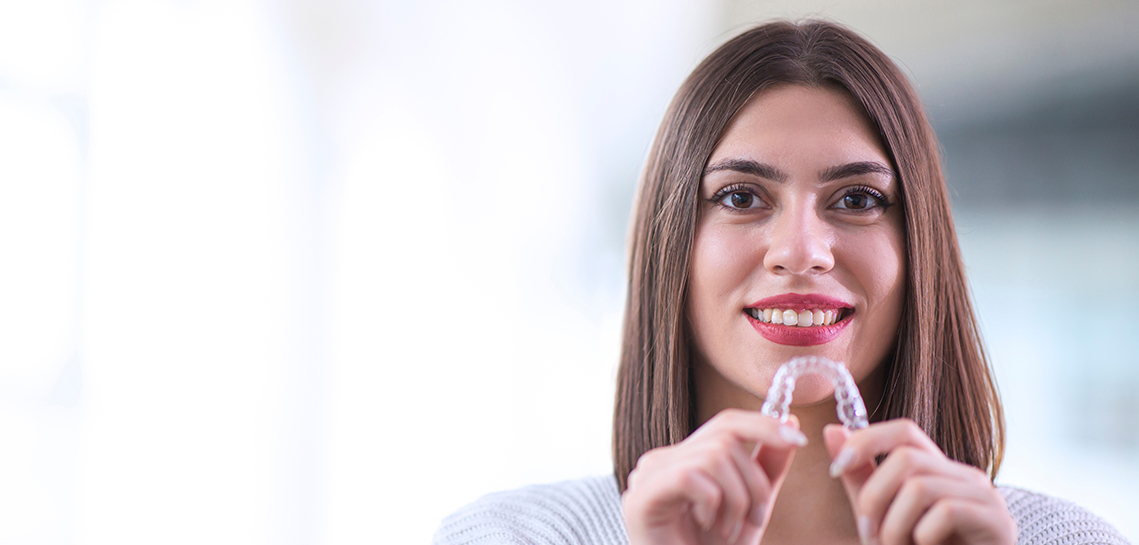
You’ll find clear, practical Invisalign options in Herrin, IL that fit busy lives and varied treatment needs. Many patients can choose between standard Invisalign, Invisalign Lite, and Invisalign i7 depending on the complexity of their case, treatment speed desired, and budget.
A local dental team will assess tooth alignment, discuss expected timelines, and show how clear aligners compare to braces so you can pick the best path. Expect explanations about day-to-day wear, comfort, and follow-up visits that make the process easy to understand and feel manageable.
Understanding Invisalign Treatments
Invisalign uses clear, removable aligners to straighten teeth with predictable, computer-planned movements. Patients usually value discreet appearance, fewer metal brackets, and simplified home care.
What Sets Invisalign Apart
Invisalign aligners are made from a smooth, BPA-free thermoplastic called SmartTrack. The custom trays fit snugly over teeth and exert gentle, timed pressure to move each tooth in planned increments.
Treatment planning relies on a 3D digital scan and ClinCheck software that shows step-by-step tooth movement and estimated treatment length. That digital plan lets the dentist adjust the sequence, add attachments, or stage treatment for complex cases.
Compared with traditional braces, Invisalign reduces soft-tissue irritation and allows patients to remove trays for eating and flossing. Small tooth-colored attachments or interproximal reduction (IPR) may be used when needed to achieve specific movements.
Who Is a Good Candidate
Mild to moderate crowding, spacing, and some bite issues like overbite, underbite, or crossbite are commonly treated with Invisalign. Adults and teens who can commit to wearing aligners 20–22 hours per day see the best results.
Complex jaw discrepancies or severe vertical problems may still require braces or orthodontic surgery; a dental exam and X-rays determine suitability. Patients with restorations, implants, or periodontal concerns need coordinated care so aligner therapy doesn’t compromise dental health.
Compliance, good oral hygiene, and realistic expectations matter. Candidates should understand follow-up visits, possible use of attachments, and the likely need for retainers after active treatment.
How the Process Works
The dentist begins with a comprehensive exam, digital impressions or intraoral scans, and X-rays. Those records produce a digital treatment plan showing each aligner stage and expected treatment time.
Patients receive a series of aligners, switching every 1–2 weeks as directed. Routine appointments every 6–10 weeks monitor progress, make small adjustments, and deliver the next sets of aligners.
Attachments, elastics, or IPR are used when specific rotations or space creation is necessary. After active movement completes, a customized retainer maintains alignment; the dentist specifies nightly or long-term retainer wear to prevent relapse.
If questions or discomfort arise, the dental team addresses fit issues, sore spots, or compliance strategies to keep treatment on schedule and comfortable.
Comparing Invisalign Aligners
Patients should weigh differences in treatment goals, daily comfort, cost, and expected timeline. Specific options vary by case complexity and whether attachments, accelerated trays, or clear aligner refinements are needed.
Standard vs. Specialized Options
Standard Invisalign trays use SmartTrack material for gradual tooth movement and work well for mild to moderate crowding, spacing, and bite alignment. They typically require 20–22 hours of wear per day and are replaced every 1–2 weeks; routine check-ins with the Herrin provider monitor progress and adjust as needed.
Specialized options include Invisalign Lite, Full, and Teen, plus adjuncts like attachments, elastics, and Invisalign Assist for complex movements. Invisalign Lite targets minor corrections with fewer trays and lower cost. Invisalign Full covers comprehensive cases involving rotations, vertical corrections, or significant bite changes. Invisalign Teen adds eruption tabs and compliance indicators for growing patients.
Some practices in Herrin offer accelerated protocols (e.g., AcceleDent) that can reduce active time, though results depend on biological response. Clear attachments can improve torque and rotation control but are small and tooth-colored. Cost, treatment length, and appliance sophistication should guide choice rather than marketing terms alone.
Choosing the Right Type for Your Needs
A diagnostic exam with digital scans, photographs, and X-rays determines suitability for each option. For mild relapse after braces, clinicians often recommend Invisalign Lite or a limited series of refinement trays to correct specific teeth without full treatment.
When bite discrepancies or significant tooth movement are present, Invisalign Full with planned attachments and possible elastics provides predictable results. Teen patients benefit from compliance indicators and planned space for erupting teeth; parents should confirm replacement aligner policies in Herrin clinics.
Patients should request a treatment plan that lists estimated weeks, number of trays, expected attachments, and out-of-pocket cost. A clear timeline and measurable milestones help set expectations and improve adherence to the 20–22 hour wear guideline.
Benefits of Clear Aligners Over Braces
Clear aligners offer a low-profile look, gentler daily wear, and fewer in-person checkups compared with traditional metal braces. They make eating, oral hygiene, and social situations easier while still correcting common alignment issues like crowding and gaps.
Discreet Appearance
Clear aligners are made from thin, nearly transparent thermoplastic that fits snugly over teeth. Patients in Herrin, IL report that aligners are difficult to notice at conversational distance, which helps adults and teens feel more confident at work, school, or social events.
Unlike metal brackets and wires, aligners don’t attract attention with shiny hardware. That reduces questions from coworkers or classmates and avoids the visible aesthetic trade-offs many adults worry about when considering orthodontic care.
Enhanced Comfort
Aligners use gradual, computer-planned forces applied across the tooth surface, producing less sharp pressure than wire adjustments. Most patients describe initial soreness when starting a new set for a day or two, then quick adaptation; there are no brackets to rub cheeks or wires to poke soft tissue.
Aligners can be removed for eating and brushing, eliminating food traps and reducing the risk of irritation from trapped debris. For people with sensitive mouths or previous gum issues, removable aligners often mean fewer sore spots and a smoother daily experience.
Fewer Office Visits
Treatment with clear aligners typically requires an initial consultation, periodic check-ins every 6–10 weeks, and fewer emergency visits for broken wires or loose brackets. Many Herrin dental practices pair in-office reviews with remote monitoring, letting providers track progress via photos or apps between appointments.
This reduces time off work or school and lowers the chance of unexpected clinic visits. When adjustments are needed, they’re usually handled by switching to the next aligner in the series rather than by immediate in-chair repairs.
What to Expect During Invisalign Treatment
Patients can expect a clear timeline, regular check-ins, and simple daily care steps. Treatment normally includes an initial exam, receiving a series of custom aligners, and periodic monitoring to ensure teeth move as planned.
Initial Consultation Steps
The first visit begins with a dental exam and a discussion of goals. The provider reviews medical and dental history, takes digital X-rays if needed, and captures 3D intraoral scans to map tooth positions precisely.
The dentist or orthodontist explains candidacy for Invisalign, estimated treatment length, and cost options. They show a ClinCheck or similar simulation so patients can see the projected tooth movement and final result before starting.
Staff discuss practical details: how often trays change (typically every 1–2 weeks), wearing time (20–22 hours per day), and hygiene needs. Financial arrangements and insurance questions are handled, and a follow-up timeline is scheduled if the patient decides to proceed.
Getting Your Custom Aligners
Technicians use the intraoral scan to design a step-by-step movement plan and fabricate a series of clear thermoplastic aligners. Each aligner makes small, controlled adjustments to tooth positions.
When the trays arrive, the provider verifies fit and comfort, demonstrates insertion/removal techniques, and shows how to clean them with gentle brush or manufacturer-specified cleaner. Small attachments or “buttons” may be bonded to teeth to help the aligners grip and push teeth in specific directions.
Patients receive several sets at once or periodic shipments, plus a retainer plan for after treatment. Providers give written wearing schedules, emergency contacts for issues like lost trays, and reminders about avoiding staining foods while wearing aligners.
Tracking Your Progress
Follow-up visits typically occur every 6–10 weeks to check fit, monitor movement, and provide the next aligner batches. The provider documents progress with photos and may take mid-treatment scans if adjustments are needed.
Patients should track wear time daily and report any significant discomfort, fit gaps, or broken trays. Most adjustments are minor, but refinements can be planned if teeth don’t move as predicted.
Adherence to the schedule and nightly retainer use after active treatment preserves results. The office often provides a written retention plan and timelines for checkups to ensure the smile remains stable long term.
Life With Invisalign Day-to-Day
Daily life with Invisalign focuses on consistent wear, simple cleaning, and small routine changes that keep treatment on track while minimizing disruption to normal activities.
Caring for Your Aligners
Patients should rinse aligners under lukewarm water every time they remove them to prevent saliva buildup. Use a soft toothbrush (no toothpaste) or an aligner-cleaning solution twice daily to remove plaque and keep trays clear.
Store aligners in their case whenever they are out of the mouth to avoid damage or loss. Avoid leaving them exposed on napkins, sinks, or pockets; a labeled case in a bag or purse reduces the risk of accidental disposal.
Handle aligners gently when inserting and removing them by using both hands to avoid bending. Replace trays as scheduled—typically every 1–2 weeks—so tooth movement stays predictable and treatment length matches the plan.
Eating and Drinking Tips
Patients must remove aligners for all meals and snacks to prevent staining and warping. Eating with trays in can trap food and sugar against teeth, increasing the risk of cavities and making trays harder to clean.
Drink water freely with aligners in; it won’t harm them. Avoid hot beverages while wearing trays because heat can distort the plastic; always remove trays before coffee, tea, or soup.
Brush and floss after eating before reinserting aligners to maintain oral health and prevent odor. Keep a travel toothbrush, toothpaste, and spare case in a bag for convenience when dining out or at work.
Addressing Common Concerns
Patients often worry about soreness, how aligners will change speech, and how appointments or fit issues get handled. Clear expectations about pain level, appliance care, and appointment frequency help reduce anxiety and keep treatment on track.
Handling Discomfort
Mild soreness and pressure are common when new aligners are fitted or when the patient moves to the next set. It usually feels like low-level pressure for the first 48–72 hours and gradually eases; over-the-counter ibuprofen or acetaminophen typically suffices for most people.
If sharp pain, prolonged aching beyond a week, or sore spots from the plastic occur, the practice will trim the aligner or use dental wax to protect soft tissue. Cold compresses for facial swelling and rinsing with warm salt water help with gum irritation. Patients should call the Herrin clinic if discomfort interferes with sleep, eating, or speaking.
Speech adjusts within a few days for most patients. Speaking slowly at first and practicing reading aloud helps. If lisps or excess saliva persist, the dentist can check fit and recommend brief adjustments.
Managing Adjustments
Routine adjustment means switching aligner sets every one to two weeks, depending on the dentist’s plan. Each transition applies different forces; the office will schedule progress checks every 6–10 weeks to confirm tooth movement and scan for needed modifications.
If an aligner breaks, becomes lost, or no longer seats properly, the patient should contact the practice immediately. Short-term solutions include wearing the previous set if it still fits or the next set if it seats fully; the team will advise which option prevents backtracking. For attachments that come off, the dentist will rebond them during a quick visit.
Compliance problems — like inconsistent wear or eating with aligners in — slow results and may lengthen treatment. The clinic tracks wear habits and provides tips: set phone reminders, keep a portable case for meals, and use a chewies pack to improve seating.
Local Expertise in Herrin, IL
Local clinics combine modern Invisalign technology with hands-on patient support to make clear aligner treatment predictable and comfortable. Readers learn where to find experienced providers, what qualifications matter, and how community-focused offices make care convenient and reassuring.
Finding the Right Dental Team
Patients should look for providers in Herrin who list Invisalign certification and continuing education on their websites or office materials. Certification indicates training specific to clear aligner biomechanics; additional courses in attachments, IPR (interproximal reduction), and digital scanning show deeper expertise.
Ask about experience level and case examples. A dentist or orthodontist who shares before-and-after photos of similar cases—crowding, spacing, or bite correction—gives a realistic expectation of results. Confirm whether the practice uses an intraoral scanner, not just impressions, since scans improve fit and reduce appointments.
Check office logistics that matter locally: appointment hours that fit work or school schedules, in-house financing or CareCredit, and whether they coordinate with general dentists for retainers and long-term follow-up. Patient reviews on Google or Facebook from Herrin residents can reveal consistency in communication and comfort during treatment.
Community-Focused Care
Practices in Herrin often emphasize small-town accessibility and personalized communication. Staff who know neighborhood concerns—children’s schedules, local employment patterns, or transportation limits—can tailor appointment timing and follow-up plans accordingly.
Community-focused offices frequently offer free consults or discounted initial scans during local health events. These opportunities let residents evaluate treatment without commitment and see technology like 3D treatment simulations firsthand. Clinics may partner with local schools or employers for educational presentations on preventive care and aligner maintenance.
Continuity of care matters: look for practices that provide clear retainer plans and coordinate with nearby specialists when complex movement is needed. That local network reduces travel time for referrals and keeps records centralized, which helps patients maintain results with fewer surprises.
Taking the Next Step Toward Your Best Smile
Patients in Herrin, IL, who consider Invisalign often schedule a consultation to review goals and treatment options. The dentist examines teeth, takes digital scans, and discusses timelines so each plan matches the patient’s lifestyle.
They receive a clear estimate of costs, payment options, and whether insurance contributes. Practical details—expected wear time, follow-up visits, and simple care instructions—help set realistic expectations.
Many practices offer a preview of expected results with digital imaging. That visual makes it easier to decide and reduces uncertainty before starting treatment.
Common concerns include discomfort, speech changes, and compliance. The provider explains how aligners feel at first, offers tips for minimizing soreness, and recommends strategies to keep aligners in place during the day.
Interested patients can prepare questions in advance, such as:
- Treatment length and milestones
- Retainer plans after treatment
- Any alternatives to aligners for specific issues
A friendly team member often assists with scheduling and insurance forms, making the first visit low-stress. Readers are encouraged to call or book online to discuss Invisalign options tailored to their needs and to take the next step toward a more confident smile.
Frequently Asked Questions
This section answers common practical concerns about clear aligner treatment in Herrin, IL, including candidacy, what problems aligners solve, differences between Invisalign packages, typical treatment length and cost, insurance likelihood, and how digital previews work.
How can I tell if Invisalign is a good fit for my smile and bite?
A licensed dentist or orthodontist in Herrin will evaluate tooth position, bite relationship, jaw function, and oral health during an exam and with X-rays.
They will look for sufficient tooth movement space, absence of active gum disease, and whether attachments or IPR (interproximal reduction) could help achieve the goals.
What kinds of alignment problems can clear aligners fix, and when would braces be the better choice?
Clear aligners handle mild to moderate crowding, spacing, minor bite corrections (overbite, underbite, crossbite), and relapse cases after braces.
Traditional braces are often recommended for very severe rotations, large vertical movements, complex bite discrepancies, or when tooth movements require constant, fine-tuned force that aligners may not provide.
What’s the difference between Invisalign Comprehensive and Invisalign Express or Lite?
Invisalign Comprehensive covers full-mouth treatment with unlimited aligners for complex or extensive cases and typically includes retention planning.
Invisalign Express or Lite offers a limited number of aligners for minor corrections or short-term finishing, so it suits simple relapse cases or single-arch adjustments.
About how long does clear aligner treatment usually take, and what affects the timeline?
Average treatment spans 6 to 18 months, depending on the case complexity, patient age, and how consistently aligners are worn (recommended 20–22 hours per day).
Factors that lengthen treatment include needing tooth extractions, jaw growth in younger patients, missed check-ups, or poor wear compliance.
What should I expect to pay out of pocket, and do most dental insurance plans help cover treatment?
Typical out-of-pocket costs in Herrin range roughly $3,000 to $7,000, depending on the provider, treatment length, and whether adjunct procedures are required.
Many dental insurance plans offer partial orthodontic benefits for adults and teens; benefits vary by plan, so the practice’s billing staff can verify coverage and estimate patient responsibility.
How can I preview my expected results with a digital treatment plan like ClinCheck before I start?
ClinCheck creates a 3D animated plan that shows step-by-step tooth movements and an estimated final position so patients can review the proposed outcome.
The treating clinician will walk through the simulation, explain assumptions and limitations, and adjust the plan before any aligners are made.