


When a tooth hurts, a filling breaks, or it has simply been too long since the last cleaning, many patients wonder where to start. Should they call a general dentist, look for a specialist, try an urgent dental clinic, or explore newer options like teledentistry or implant-focused care?
For patients comparing general dentistry vs alternatives in Herrin, IL, the good news is that dental care does not have to feel confusing. General dentistry is often the best first stop for routine care, prevention, and many common dental concerns. Other options can be helpful too, especially when a patient needs advanced treatment, emergency support, or a specific type of procedure.
This guide explains the differences in plain language so patients can feel more confident about their next step.
This article is for general education only and is not a diagnosis or treatment plan. Anyone with dental pain, swelling, bleeding, injury, infection symptoms, or questions about treatment should consult a licensed dental professional for personalized care.
What Is General Dentistry?
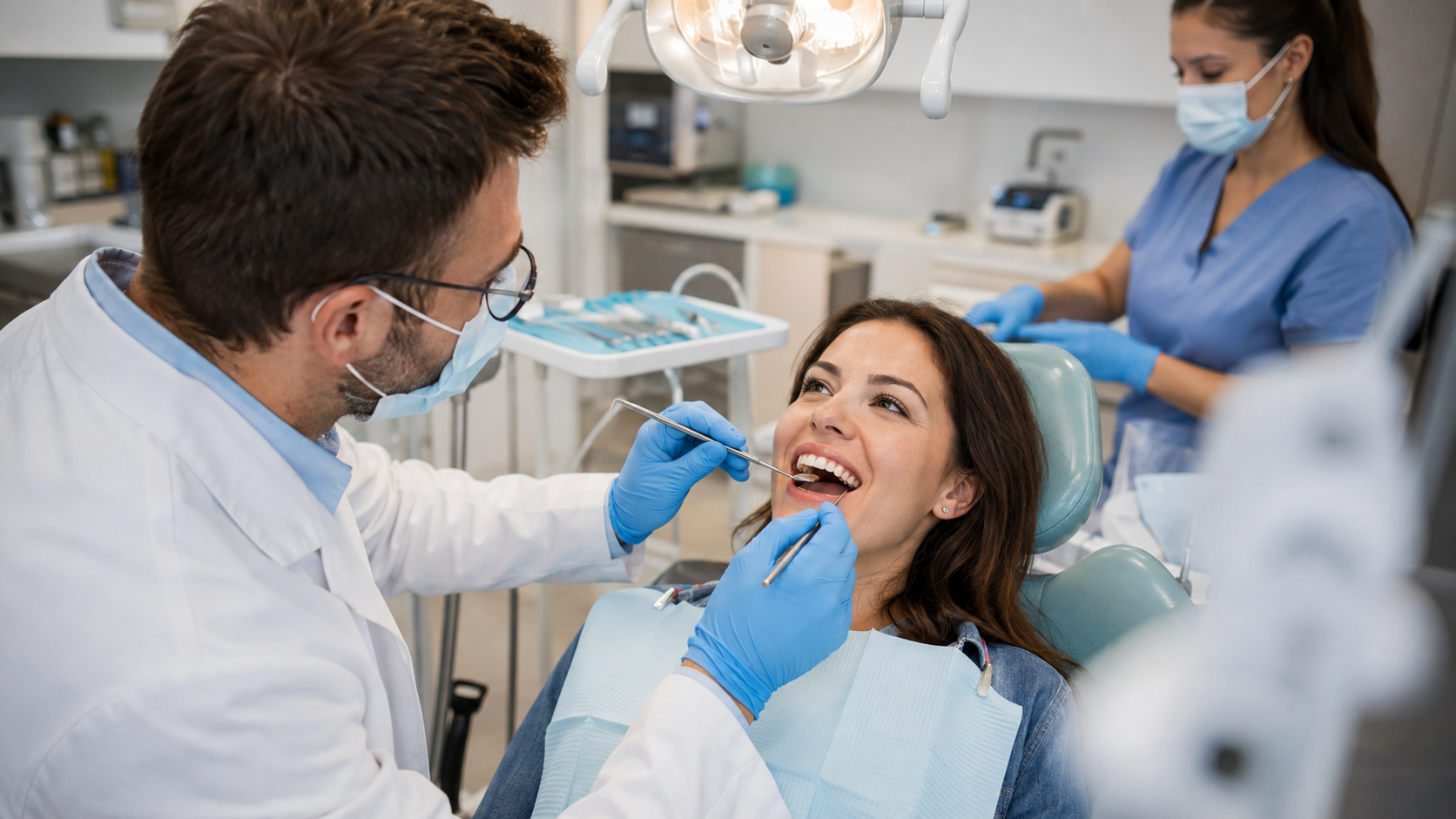
General dentistry is the foundation of oral health care. A general dentist helps patients prevent, diagnose, and treat many everyday dental concerns. For most people, a general dental office is the place to go for regular checkups, cleanings, fillings, crowns, gum evaluations, tooth pain, and conversations about long-term oral health.
A helpful way to think about a general dentist is to compare them to a primary care doctor for the mouth. They keep an eye on the big picture, catch small problems early, and help coordinate care if a specialist is needed.
Common general dentistry services may include:
- Dental exams and professional cleanings
- Digital X-rays and cavity detection
- Tooth-colored fillings
- Crowns and bridges
- Gum disease screenings and maintenance
- Tooth extractions when appropriate
- Nightguards or mouthguards
- Preventive fluoride or sealants
- Oral cancer screenings
- Patient education for brushing, flossing, and diet
Some general dental practices also offer cosmetic dentistry, implant consultations, dentures, clear aligners, or other advanced services. The exact options depend on the dentist’s training, technology, and treatment philosophy.
Why General Dentistry Is Usually the Best Starting Point
Many dental problems are easier, more comfortable, and more affordable to address when they are found early. That is one of the biggest advantages of general dentistry. Routine visits allow the dental team to watch for subtle changes before they become painful or complex.
For example, a small cavity may not hurt at all. During a checkup, a dentist may find it while it can still be treated with a simple filling. If ignored, that same cavity can grow deeper and may eventually require a crown, root canal, or extraction.
General dentistry also gives patients a familiar dental home. Instead of starting over with a new provider every time something comes up, patients can build a relationship with a team that knows their health history, comfort preferences, previous treatment, and long-term goals.
Preventive Care Can Reduce Bigger Problems
Prevention is one of the strongest reasons to maintain regular general dental visits. Professional cleanings remove hardened plaque, also called tartar, that brushing and flossing cannot remove at home. Exams help identify gum inflammation, enamel wear, cracked teeth, bite issues, and early signs of decay.
Good prevention does not just protect teeth. Oral health is closely connected with daily comfort, nutrition, speech, confidence, and overall well-being. When chewing hurts or a smile feels unhealthy, it can affect more than the mouth.
General Dentists Can Guide the Bigger Plan
Sometimes patients know they need more than a cleaning. They may have missing teeth, loose dentures, worn-down teeth, old dental work, or anxiety about treatment. A general dentist can evaluate the whole mouth and help explain the options in a step-by-step way.
This is especially important when several treatments could work. A patient with a missing tooth, for instance, may be able to consider a dental implant, bridge, or partial denture. Each option has different benefits, timelines, maintenance needs, and costs. A trusted dentist can help the patient understand the trade-offs.
What Are the Alternatives to General Dentistry?
“Alternatives” does not necessarily mean better or worse. It simply means other ways to access dental care. Some are excellent choices in the right situation. Others may only provide temporary help. The key is knowing when each option makes sense.
Dental Specialists
Dental specialists receive additional training in a specific area of care. A general dentist may refer a patient to a specialist when a case requires advanced expertise or focused treatment.
Common dental specialists include:
- Endodontists: Focus on root canal treatment and problems inside the tooth.
- Periodontists: Treat gum disease and supporting bone around teeth.
- Oral surgeons: Perform surgical procedures such as complex extractions, implant placement, and jaw-related care.
- Orthodontists: Correct tooth and jaw alignment with braces or clear aligners.
- Prosthodontists: Focus on complex tooth replacement and restoration.
- Pediatric dentists: Provide specialized care for children.
A specialist can be the right choice when a patient’s needs fall outside routine care. However, many patients still benefit from starting with a general dental evaluation. The general dentist can often determine whether specialist care is needed and help avoid unnecessary appointments.
Emergency Dental Clinics
Emergency dental clinics can help when a patient has urgent pain, swelling, trauma, a knocked-out tooth, or a dental infection concern. These clinics may offer same-day support, which can be a relief when discomfort is intense.
The main limitation is that emergency care often focuses on the immediate problem. It may not include a full long-term plan. After the urgent issue is stabilized, patients usually still need follow-up care with a general dentist or specialist.
Teledentistry
Teledentistry allows patients to speak with a dental professional through a virtual visit. It can be helpful for asking questions, discussing symptoms, reviewing photos, or deciding whether an in-person visit is urgent.
However, teledentistry cannot fully replace a hands-on exam, dental X-rays, cleanings, or procedures. A dentist often needs to see the teeth and gums in person to make a complete assessment.
Retail or Corporate Dental Clinics
Some patients choose larger retail-style or corporate dental clinics because they may offer extended hours, multiple locations, or advertised promotions. These features can be convenient, especially for busy schedules.
Patients should still feel comfortable asking questions about the recommended treatment, who will provide care, expected costs, materials used, follow-up visits, and long-term maintenance. Convenience matters, but trust and communication matter too.
DIY Dental Products and Over-the-Counter Options
Drugstore dental products can support home care. Toothpaste, floss, mouth rinses, whitening strips, temporary filling material, and sensitivity products may have a place in a patient’s routine.
Still, DIY products have limits. They do not remove tartar, diagnose cavities, treat infections, repair cracked teeth, or replace a professional exam. Temporary products should not become long-term substitutes for care, especially when pain or swelling is present.
Implant-Focused Dental Care
For patients with missing teeth or failing teeth, an implant-focused dental office can be a valuable option. Dental implants are designed to replace tooth roots and support crowns, bridges, or dentures. They can offer strong function and a natural look for many patients.
Implant care is not one-size-fits-all. A proper evaluation usually includes gum health, bone levels, bite forces, medical history, and the patient’s goals. Some patients may need additional steps before implant placement, while others may be candidates for streamlined treatment. A consultation helps clarify what is realistic and appropriate.
General Dentistry vs. Alternatives: How Patients Can Compare Their Options
Choosing dental care is easier when patients compare options based on their actual needs rather than ads, assumptions, or fear. The right choice depends on symptoms, goals, comfort level, budget, timeline, and treatment complexity.
For Routine Checkups and Cleanings
General dentistry is usually the most appropriate choice. Preventive visits help maintain healthy teeth and gums, update X-rays when needed, and catch concerns early.
For Mild Tooth Sensitivity or a Small Cavity Concern
A general dentist is typically the right first step. Sensitivity can come from many causes, including gum recession, enamel wear, cavities, grinding, or recent dental work. An exam can identify the likely cause and guide the next step.
For Severe Pain, Swelling, or Dental Injury
Urgent dental care is important. A general dentist may be able to see the patient quickly, or an emergency dental clinic may be appropriate if the situation cannot wait. Facial swelling, fever, trouble swallowing, trouble breathing, or uncontrolled bleeding should be treated as urgent medical concerns.
For Missing Teeth or Loose Dentures
A general dentist or implant-focused dental provider can help patients compare tooth replacement options. Dental implants, bridges, partial dentures, and full dentures all work differently. The best option depends on bone health, remaining teeth, lifestyle, and patient preferences.
For Braces or Tooth Alignment
Some general dentists provide clear aligner therapy, while more complex bite concerns may require an orthodontist. A consultation can help determine which route makes sense.
For Advanced Gum Disease
A general dentist can screen for gum disease and provide maintenance care, but advanced cases may need a periodontist. Gum health matters because teeth depend on healthy bone and gum support.
What Herrin-Area Patients Should Look for in a Dental Provider
Whether a patient chooses general dentistry or another option, the provider should make care feel clear, respectful, and patient-centered. Dental visits can bring up anxiety, past experiences, financial concerns, or fear of judgment. A good dental team understands this and creates space for questions.
Patients may want to look for:
- Clear explanations: The provider should explain findings and options in everyday language.
- Comfort-focused care: Modern dentistry should prioritize patient comfort and a calm experience.
- Preventive mindset: The goal should be long-term oral health, not just fixing problems after they happen.
- Technology that supports diagnosis: Digital imaging and modern tools can help patients better understand their care.
- Transparent treatment planning: Patients should know what is recommended, why it matters, and what alternatives exist.
- Respect for patient goals: A treatment plan should consider health, appearance, comfort, budget, and timing.
For those considering Hughes Dental Arts Implant Center, a consultation can be a helpful way to ask questions, discuss concerns, and explore whether the practice’s services match the patient’s needs.
Cost and Insurance Considerations
Cost often plays a major role in the decision between general dentistry and alternatives. Preventive general dentistry may be covered more often by dental insurance than advanced or elective procedures, but every plan is different. Patients should ask about estimates, financing options, insurance benefits, and phased treatment plans when needed.
It is also helpful to think beyond the initial price. A temporary fix may cost less today but may not address the underlying issue. On the other hand, a more comprehensive treatment may involve a larger investment but could better support function and comfort over time. The right choice depends on the patient’s oral health, priorities, and professional recommendations.
Questions to Ask Before Choosing a Dental Care Option
Patients do not need to know all the answers before scheduling a visit. In fact, a good consultation is designed to help patients understand their choices. These questions can make the conversation easier:
- What is causing the problem or concern?
- Is this urgent, or can it be monitored?
- What treatment options are available?
- What are the pros and cons of each option?
- Will a specialist be needed?
- How many visits may treatment take?
- What can be done to keep the patient comfortable?
- What happens if treatment is delayed?
- What are the estimated costs and payment options?
- How should the patient care for the area at home?
FAQ: General Dentistry vs. Alternatives in Herrin, IL
Is a general dentist the same as a family dentist?
Often, yes. A family dentist is typically a general dentist who treats patients across different age groups. Some practices focus more on adults, children, implants, cosmetics, or restorative care, so patients should ask whether the office provides the services they need.
When should a patient see a specialist instead of a general dentist?
A specialist may be needed for complex root canals, advanced gum disease, difficult extractions, complicated bite problems, or complex tooth replacement. Many patients start with a general dentist, who can evaluate the concern and recommend a referral if needed.
Can teledentistry replace an in-person dental visit?
Teledentistry can be useful for general guidance or triage, but it cannot fully replace an in-person exam, X-rays, cleaning, or treatment. If a patient has pain, swelling, injury, or ongoing symptoms, an in-person dental evaluation is usually necessary.
Are dental implants considered general dentistry?
Dental implants may be offered by general dentists with advanced training, implant-focused practices, oral surgeons, periodontists, or prosthodontists. Because implant treatment involves careful planning, patients should choose a provider who can explain the process, evaluate candidacy, and discuss alternatives.
What if a patient has dental anxiety?
Dental anxiety is common, and patients should feel comfortable telling the dental team. Many offices offer a gentle approach, clear communication, breaks during treatment, and comfort options. A consultation can help patients get familiar with the office before committing to care.
How often should patients schedule general dental visits?
Many patients benefit from dental checkups and cleanings about every six months, but some need more frequent visits due to gum disease, medical conditions, dry mouth, or a history of dental problems. A dentist or hygienist can recommend a schedule based on the patient’s individual needs.
Conclusion: Start With the Care That Fits the Need
When comparing general dentistry vs. alternatives in Herrin, IL, the best choice depends on the situation. General dentistry is often the ideal starting point for prevention, routine care, early diagnosis, and many common treatments. Alternatives such as specialists, emergency clinics, teledentistry, and implant-focused care can also play an important role when the need is more specific.
The most important step is not to wait until a small concern becomes a major problem. A conversation with a qualified dental professional can bring clarity, comfort, and a practical plan. Patients who have questions about their teeth, gums, missing teeth, or treatment options can schedule a consultation with Hughes Dental Arts Implant Center to explore next steps in a calm, supportive setting.