


You feel a sudden tooth knock or sharp pain and need to know what to do right away in Herrin, IL — stay calm and act quickly to protect the tooth and your health. If the problem is severe (heavy bleeding, knocked-out tooth, intense swelling, or trouble breathing), seek emergency care immediately; for less severe issues, you can take immediate at-home steps and contact your local Herrin dental office for same-day treatment.
This post walks through how to recognize urgent dental problems, simple first-aid you can do now, when to call a Herrin dentist versus 911, and what to expect from emergency care and costs. It also covers tips for parents managing children’s dental injuries and ways to prepare so you handle the next dental emergency with confidence.
Recognizing Urgent Dental Problems
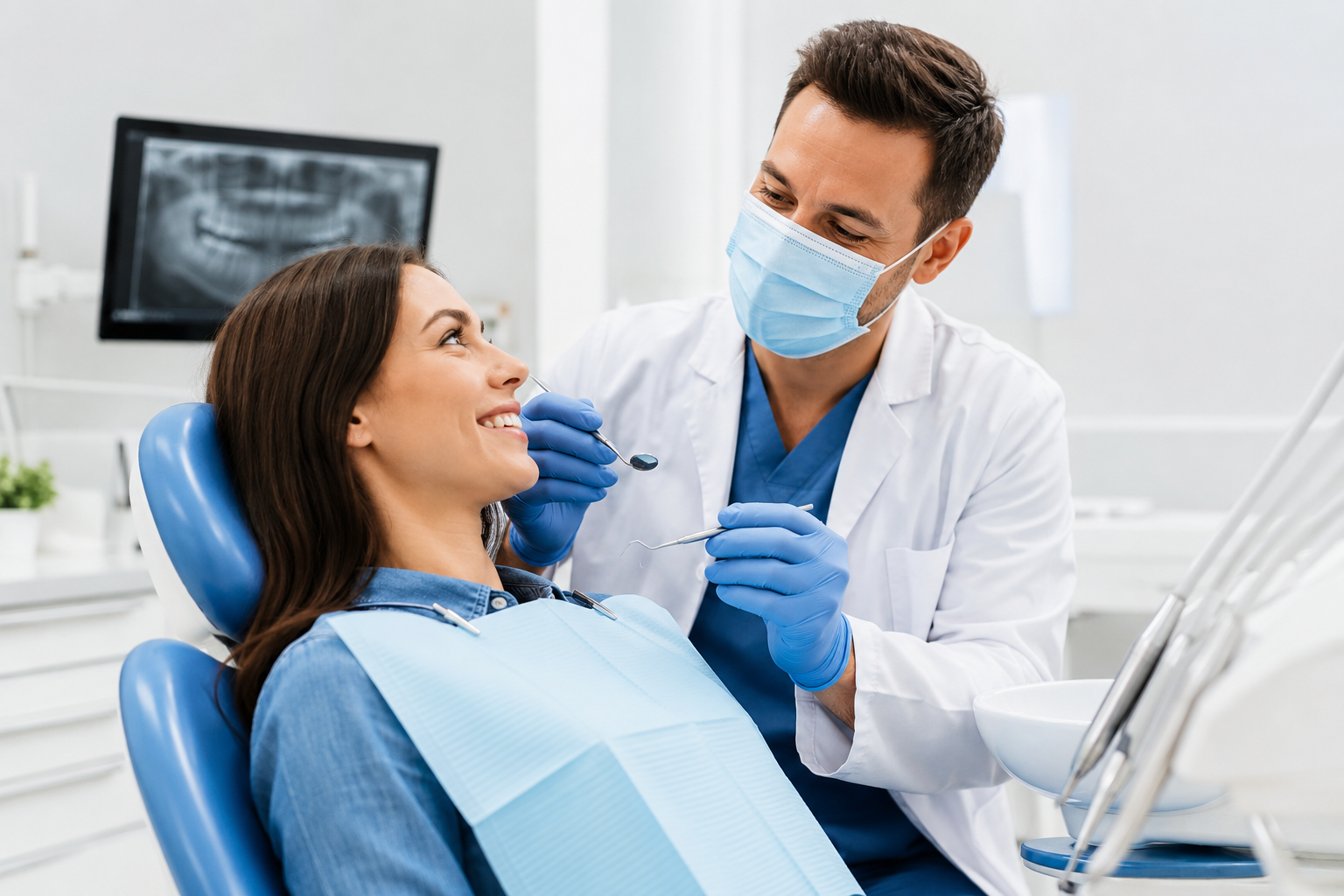
Patients should know specific warning signs and the most common conditions that need fast care. Quick recognition helps avoid infection, preserve teeth, and reduce pain.
Common Signs of Dental Emergencies
Sharp, persistent tooth pain that interferes with sleep or swallowing often signals infection or severe decay and needs prompt evaluation. Swelling of the face, jaw, or neck—especially if it worsens over hours—can indicate an abscess that may spread and requires immediate treatment.
Bleeding that won’t stop after 15 minutes of firm pressure suggests trauma or clotting issues and merits urgent attention. A knocked-out tooth (avulsed) is time-sensitive: handle by the crown, rinse lightly, and seek reimplantation within an hour when possible. Loose teeth after a blow, sudden changes in bite, or a cracked tooth with pain on biting also demand quick care.
Other red flags include fever with oral pain, pus drainage, and numbness or difficulty breathing. If any of these occur, contact a dental office or emergency department right away.
Types of Dental Issues That Require Immediate Attention
Tooth avulsion: a permanent tooth completely displaced from its socket needs replanting quickly. Store the tooth in milk or saline and get to a dentist within 60 minutes for the best chance of saving it.
Dental abscess: a pocket of infection at a tooth root causes throbbing pain, swelling, and sometimes fever. Treatment typically involves drainage, antibiotics, and root canal or extraction depending on the tooth’s condition.
Fractured or cracked teeth with exposed nerve tissue cause intense pain and risk infection. Emergency crowns, bonding, or root canal therapy may be necessary. Severe gum trauma or lacerations that bleed heavily should be sutured by a dental or medical professional.
Lost fillings or crowns that expose dentin and cause sharp sensitivity should be repaired quickly to prevent decay. Persistent, unexplained bleeding after oral surgery or trauma, and signs of spreading infection (red streaks, difficulty swallowing) require immediate clinical intervention.
Immediate Steps to Take at Home
Act quickly, stay calm, and prioritize breathing and bleeding control. Use simple, evidence-based actions to reduce pain, protect teeth, and preserve any lost tooth for possible reimplantation.
Managing Pain and Swelling
Rinse the mouth gently with warm salt water (1/2 teaspoon salt in 8 ounces of water) to remove debris and reduce bacteria. Apply a cold pack to the outside of the cheek for 10–20 minutes on and off to reduce swelling and numb pain; wrap the pack in a cloth to prevent skin injury.
For pain relief, give acetaminophen or ibuprofen following the package dosage or a pharmacist’s advice; avoid aspirin in the immediate area because it can increase bleeding. If swelling is severe, spreading, or accompanied by fever, contact emergency dental care or go to urgent care — this can signal an infection that needs prompt attention.
What To Do If a Tooth Is Knocked Out
Find the tooth by the crown (the chewing surface); avoid touching the root. If dirty, rinse the tooth gently with saline or milk for no more than 10 seconds; do not scrub or remove any attached tissue fragments.
Try to reinsert the tooth into its socket immediately if the person is alert and able; hold it in place by biting on gauze or a clean cloth. If reinsertion isn’t possible, store the tooth in milk, saline, or the person’s saliva — keep it moist and bring it to the dentist within 30–60 minutes for the best chance of successful reimplantation. Seek emergency dental care immediately; time is critical.
Coping With Broken or Chipped Teeth
Rinse the mouth with warm water and apply gentle pressure with gauze if bleeding continues. Save any tooth fragments in milk or saline and bring them to the dentist, as they may help with bonding or restoration.
Cover sharp edges with dental wax, sugar-free gum, or temporary dental cement available at pharmacies to protect the tongue and cheeks. Avoid chewing on the affected side, and use cold packs for swelling. Call a dentist promptly to arrange treatment options such as bonding, crowns, or root canal therapy depending on the extent of the damage.
Seeking Professional Dental Care in Herrin
Patients should prioritize prompt, local care for severe pain, swelling, knocked-out teeth, or uncontrolled bleeding. Knowing where to go, what documents to bring, and how clinics handle after-hours cases helps reduce stress and speed treatment.
How to Find Emergency Dentists Locally
Call local practices first; many Herrin offices list after-hours contact numbers or on-call dentists. Use the Illinois State Dental Society directory and search terms like “Herrin emergency dentist” or “after-hours dental care” to narrow options quickly.
Check patient reviews on Google and Facebook for recent comments about responsiveness and pain management. Verify credentials on office websites—look for DDS/DMD, years of practice, and any emergency training or sedation options. Confirm accepted insurance plans and whether the clinic offers payment plans or sliding-scale fees.
If the injury occurs at night or on weekends, call the Southern Illinois Hospital emergency department for triage advice; they can stabilize bleeding or swelling and refer to a dental clinic. Keep a short list of two clinics and one hospital in your phone for fast access.
What to Expect During an Emergency Dental Visit
The clinic will first assess airway, breathing, and bleeding; severe swelling or difficulty breathing may prompt immediate referral to the ER. Staff will take a focused history: when the injury started, pain level, medical conditions, allergies, and current medications.
Expect a brief exam and diagnostic X-rays or CBCT if available, to evaluate fractures, root involvement, or foreign bodies. Treatment often includes pain control (local anesthetic; sometimes oral or intramuscular medication), temporary stabilization (splinting a knocked-out tooth, placing a temporary crown, or suturing soft-tissue lacerations), and infection control with antibiotics when indicated.
Clinics will provide clear aftercare instructions: soft foods, cold compresses, prescribed medications, and signs that require immediate return (fever, increasing swelling, uncontrolled bleeding). Staff will schedule definitive follow-up—root canal, permanent crown, or extraction—within days and explain expected costs and insurance handling.
How to Prepare for Future Dental Emergencies
Assembling supplies and reducing risk are the two most important actions. A prepared kit and simple daily habits can shorten pain and prevent further damage.
Building a Dental First Aid Kit
Pack a small, waterproof case labeled “Dental First Aid” and store it in an accessible place like the kitchen or car glovebox. Include a toothbrush, fluoride toothpaste, dental floss, and a bottle of 0.12% chlorhexidine or an antiseptic mouthwash for short-term use.
Add temporary dental cement or sugar-free chewing gum to cover a lost filling or crown until a dentist can see the patient. Include sterile gauze, clean disposable gloves, a small container with a lid for a knocked-out tooth, and a saline ampoule or bottled water to rinse the tooth.
Keep ibuprofen (200 mg tablets) for pain and an oral analgesic gel with benzocaine for localized relief. Tape a printed card with the dental office phone number, after-hours emergency contact, insurance details, and any relevant medical history or allergy notes inside the kit.
Check and refresh the kit every six months. Replace expired medications and verify contact numbers after each dental visit or insurance change.
Tips for Preventing Dental Accidents
Encourage the use of a professionally fitted mouthguard for contact sports and custom nightguards for patients who grind teeth. Store mouthguards in a ventilated case and replace them when they crack or no longer fit comfortably.
Advise avoiding chewing ice, popcorn kernels, or hard candies that commonly fracture teeth. Recommend cutting hard fruits and vegetables into bite-sized pieces instead of using teeth as tools to open packages or bottles.
Suggest routine dental checkups every six months to identify weak restorations, hidden decay, or gum disease that increase emergency risk. Reinforce daily habits: brush twice with a soft-bristled brush and fluoride toothpaste, floss once daily, and limit acidic or sticky snacks that undermine enamel.
If a patient takes blood thinners, has diabetes, or uses bisphosphonates, advise discussing emergency protocols with the dentist in advance. That ensures tailored steps for bleeding control, infection risk, and timely professional care.
Understanding Costs and Insurance for Emergency Treatment
Emergency dental visits in Herrin, IL, can vary widely in cost depending on the problem. Simple exams and X-rays usually cost less than urgent procedures like root canals or extractions.
Patients with dental insurance should check if their plan covers emergency visits, diagnostics, and restorative work. Many plans partially cover urgent care, but deductibles and co‑pays often apply.
Low‑cost clinics and dental schools in the region may offer reduced rates for qualifying patients. They can provide basic emergency care and referrals for more complex treatment.
Dentists often offer payment plans or short‑term financing for unexpected bills. Asking about financing options at first contact helps avoid delays in necessary care.
Common cost examples (approximate and variable by practice):
- Emergency exam + X‑ray: $50–$200
- Tooth extraction: $150–$450
- Root canal (single tooth): $600–$1,200
- Temporary crown/repair: $150–$400
Patients without insurance should request an itemized estimate before treatment. This helps compare options and identify nonurgent services that can be scheduled later.
They should bring insurance cards and a list of medications to the appointment to speed claims and accurate billing. Calling the dental office ahead can clarify out‑of‑pocket costs and potential payment plans.
Encourage scheduling a consultation or phone call with a local emergency dentist to discuss coverage, exact fees, and next steps for comfort and timely care.
Guidance for Parents: Handling Children’s Dental Emergencies
When a child chips a tooth or knocks one out, keep calm and act quickly. Rinse the area gently with clean water and apply a cold compress to reduce swelling.
If a tooth is completely knocked out, try to find the tooth by the crown (avoid touching the root). Place the tooth back in the socket if possible, or store it in milk or saline and seek emergency dental care within 60 minutes.
For a cracked or fractured tooth, rinse the mouth and save any broken pieces in milk or saline. Have a dentist evaluate the tooth promptly to determine if bonding, a crown, or other treatment is needed.
If the child has a severe cut to the lip, tongue, or gum that won’t stop bleeding, apply gentle pressure with a clean cloth and go to urgent care or the dental office. Stitches may be necessary to ensure proper healing and reduce scarring.
For tooth pain without obvious injury, check for food trapped between teeth and clean gently. Persistent pain, fever, or facial swelling suggest infection and require immediate dental attention.
Quick reference:
- Knocked-out tooth: reinsert or store in milk, emergency visit within 60 minutes.
- Cracked tooth: save fragments, rinse, urgent dental exam.
- Severe bleeding/swelling: apply pressure, seek urgent care.
They should call their dental office or local emergency dental clinic right away and follow instructions from the provider. Encourage parents to bring a comfort item for the child and ask about sedation options if treatment will cause anxiety.
Support and Comfort for Anxious Patients
Many patients feel nervous before or during a dental emergency visit. The team in Herrin, IL, greets patients calmly and explains each step before treatment to reduce uncertainty.
They offer several comfort options to help manage anxiety. Nitrous oxide (laughing gas) provides mild sedation with quick recovery, while oral sedatives help those who need deeper relaxation. Staff will discuss medical history and preferences to choose the safest approach.
Simple measures also make a big difference. Patients can bring headphones, practice breathing techniques guided by staff, or request breaks during procedures. Clear, friendly communication keeps the patient informed and in control.
The office environment aims to be welcoming and soothing. Soft lighting, supportive chairs, and a patient-centered team create a less clinical atmosphere. Staff members prioritize empathy and patience, addressing concerns without rushing.
For children or patients with special needs, the practice adapts care and uses age-appropriate explanations. They coordinate with caregivers and schedule appointments at less busy times to minimize stress.
A short checklist helps anxious patients prepare:
- Call ahead to describe worries and ask about sedation options.
- Bring a trusted companion for support.
- Avoid caffeine before the visit and follow pre-appointment medication instructions.
Patients are encouraged to ask questions and request comfort measures at any time. The team in Herrin wants everyone to feel safe, understood, and comfortable during emergency care, and they invite patients to call with concerns or to arrange a consultation.
When to Call 911 or Visit the ER
Severe facial trauma, such as a blow that causes heavy bleeding, obvious bone deformity, or unconsciousness, requires immediate emergency care. They should call 911 or go to the ER right away for life‑threatening issues.
Uncontrolled bleeding from the mouth that does not stop after 10–15 minutes of firm pressure needs urgent attention. Excessive bleeding can indicate vascular injury or a deep laceration that a dental office cannot safely manage.
Difficulty breathing, swallowing, or speaking after a dental injury signals airway compromise or severe swelling. These symptoms warrant emergency services because they can rapidly worsen.
High fever with severe tooth pain and swelling that spreads to the eye, neck, or chest suggests a spreading infection. They should seek ER care if they develop fever plus spreading facial or neck swelling, especially if they feel generally unwell or confused.
Suspected jaw fractures — inability to close the mouth, severe pain when moving the jaw, or teeth that no longer align — need prompt evaluation. The ER can stabilize fractures and coordinate urgent dental or surgical follow‑up.
For severe allergic reactions after dental treatment (wheezing, hives, swelling of the face or throat), call 911 immediately. Epinephrine and airway management are time‑sensitive and belong in an emergency setting.
Next Steps: Contacting Your Herrin Dental Team
Patients should call the Herrin dental office immediately after stabilizing the situation. The front desk will ask for basic information: patient name, description of the emergency, and any first-aid already performed.
If the emergency occurs after hours, the practice usually provides an emergency phone number or on-call dentist. They will give instructions on whether to come in, go to urgent care, or seek an emergency room for severe trauma.
Have these items ready before calling:
- Insurance card and ID (if available)
- A list of current medications
- Photos of the injury or damage (helpful for quick assessment)
- Any separated tooth fragments stored in milk or saline
When speaking with staff, describe symptoms clearly and mention allergies or medical conditions. This helps the team prioritize care and prepare the right supplies or specialists.
They will explain expected wait times, treatment options, and costs or insurance coverage. If transportation is an issue, ask whether they can recommend local ambulance or taxi services.
Patients who need follow-up care will receive a clear appointment plan and instructions for home care. Encourage them to ask questions and confirm the next steps before ending the call.
Frequently Asked Questions
This section gives clear, practical steps for common dental emergencies in Herrin, IL, plus guidance on when to seek urgent care, how to preserve a knocked-out tooth, temporary fixes for lost restorations, and where to find nearby emergency dentists. It also explains what to bring and what to expect during a visit, including typical costs and payment options.
What should I do right away if I have a severe toothache after hours or on the weekend?
They should rinse with warm salt water to reduce bacteria and gently floss to remove trapped food. Over-the-counter ibuprofen (unless contraindicated) helps with pain and swelling; avoid placing aspirin directly on the gum.
If pain, fever, facial swelling, or difficulty breathing/swallowing occurs, they must seek emergency care immediately; these may indicate a spreading infection. Call the Herrin dental office’s emergency line or go to the nearest ER if dental help is unavailable.
How can I tell if my dental problem needs urgent care or can safely wait until the next business day?
Signs requiring urgent care include uncontrolled bleeding, severe pain not relieved by OTC meds, swelling of the face or neck, fever, or signs of infection. Any trauma causing loose or displaced teeth or jaw injury also needs same-day attention.
Minor sensitivity, a small chip without pain, or discomfort from a partial denture may wait until morning. When in doubt, calling the dental office for triage is the safest choice.
What’s the best way to handle a knocked-out tooth so it has the best chance of being saved?
They should pick up the tooth by the crown only, avoid touching the root, and rinse it gently with saline or milk if dirty. If possible, reinsert the tooth into the socket and hold it in place, then see a dentist within 30–60 minutes.
If reinsertion is not possible, store the tooth in cold milk or Hank’s Balanced Salt Solution and get to an emergency dentist immediately. Time is critical for successful re-implantation.
If a filling or crown falls out, how can I protect the tooth and manage pain until I’m seen?
They should clean the area and cover exposed dentin with dental cement from a pharmacy or sugar-free gum as a temporary seal. Take ibuprofen for pain and avoid chewing on that side.
Keep the crown or filling and bring it to the appointment; sometimes a dentist can re-cement it. If sensitivity persists or the tooth darkens, schedule urgent care.
Where can I find an emergency dentist nearby if I’m willing to drive to Marion or Carbondale?
They can call Herrin Family Dental for local emergency guidance and ask about referrals to Marion or Carbondale if local capacity is limited. Nearby options often include Marion Family Dental and emergency clinics at larger practices in Carbondale; check practice websites or call ahead to confirm hours.
If traveling, verify the dentist accepts walk-ins or same-day emergency patients and confirm driving time and clinic directions before leaving.
What should I bring and what can I expect during an emergency dental visit, including costs and payment options?
Bring a photo ID, insurance card, list of medications, and any removed tooth or crown in a clean container. Expect a short triage, X-rays if needed, and a treatment plan that may include pain control, temporary stabilization, or definitive repair.
Costs vary: emergency exams typically range from $50–$150, simple procedures (sedation, extractions, temporary crowns) add fees, and costs rise for complex care or operating-room cases. Most clinics accept major credit cards, cash, dental insurance, and often offer payment plans or care-credit options; confirm fees and payment policies when calling.