


If a straighter smile is on the wish list, Invisalign may be one of the first options that comes to mind. Clear aligners are popular because they are removable, discreet, and designed to fit into everyday life with fewer food restrictions than traditional braces. But one of the biggest questions patients ask is simple: What is the cost of Invisalign in Herrin, IL?
The honest answer is that Invisalign pricing varies from patient to patient. Some smiles need only minor tooth movement, while others require more complex planning, more aligners, or a longer treatment timeline. The final cost depends on the patient’s bite, alignment goals, oral health, insurance benefits, and the dentist’s treatment plan.
This guide explains the main factors that influence Invisalign cost, what patients may expect during a consultation, and how to make clear aligner treatment feel more manageable from a budgeting standpoint.
This article is for general educational purposes only and does not replace a dental consultation. Patients should speak with a qualified dental professional for personalized diagnosis, treatment recommendations, cost estimates, and payment options.
How Much Does Invisalign Typically Cost?
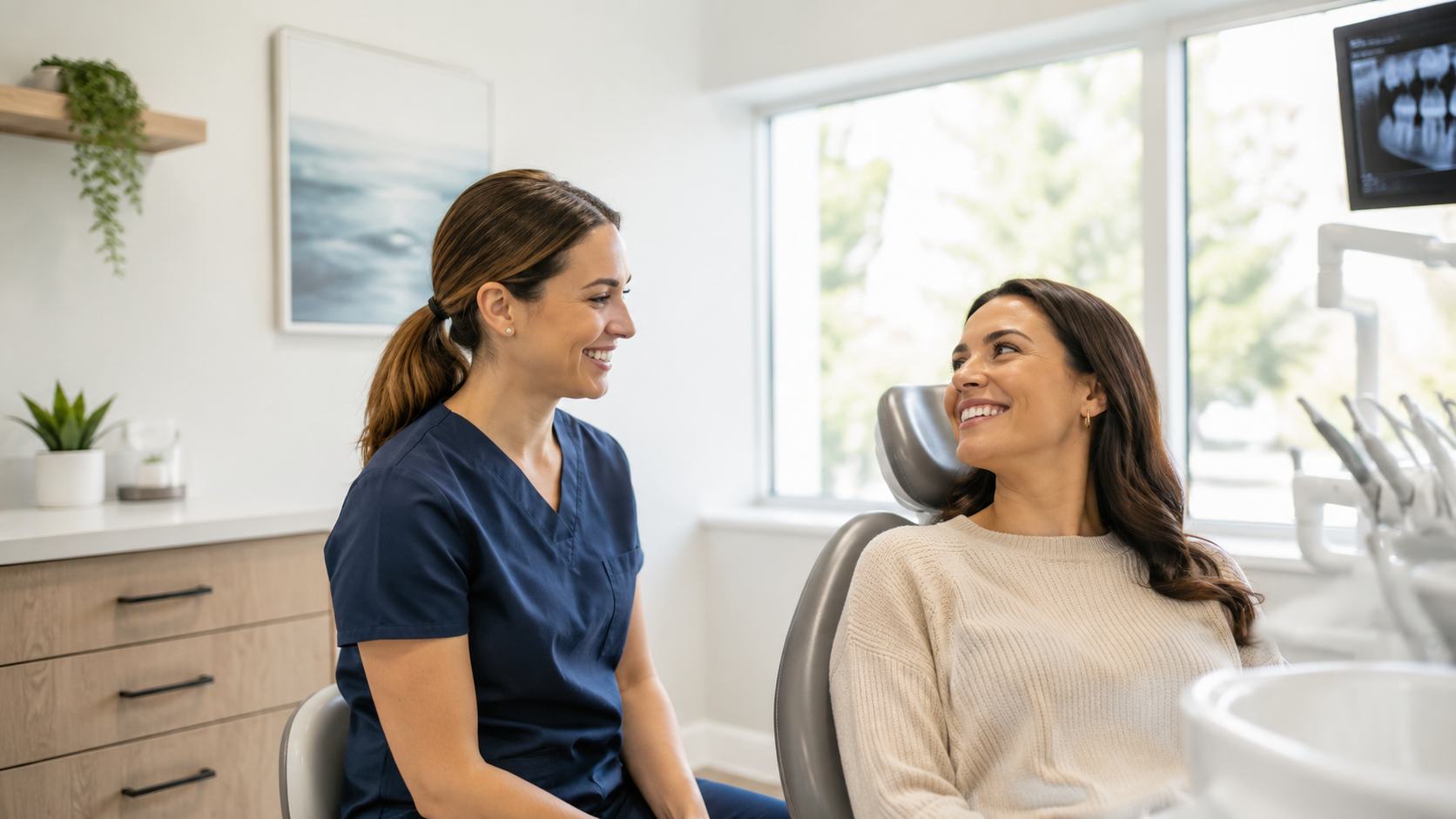
In many areas, Invisalign treatment commonly falls within a broad range of several thousand dollars. For some patients with mild crowding or spacing, the cost may be on the lower end. For patients with more involved bite concerns or longer treatment needs, the cost may be higher.
Because every smile is different, the most accurate way to understand the cost of Invisalign in Herrin, IL is to schedule an in-person consultation. During that visit, the dental team can evaluate the teeth, gums, bite, and smile goals before presenting a personalized estimate.
Patients should be cautious of one-size-fits-all pricing. Clear aligner treatment is not just a set of plastic trays. It involves diagnosis, digital planning, clinical oversight, progress checks, possible refinements, and retention after treatment.
What Factors Affect the Cost of Invisalign in Herrin, IL?
Several factors can influence the total price of Invisalign treatment. Understanding these pieces can help patients feel more confident when reviewing an estimate.
1. Complexity of Tooth Movement
Minor spacing or slight crowding usually requires less treatment time than more complex alignment issues. Patients with rotated teeth, significant crowding, open bites, crossbites, overbites, or underbites may need more aligners and closer monitoring.
The more complex the case, the more planning and follow-up may be needed. This can affect the overall fee.
2. Length of Treatment
Some Invisalign cases may take only a few months, while others may take a year or longer. Treatment length depends on the starting position of the teeth and how the teeth respond to movement.
Longer treatment often means more aligners, more check-ins, and potentially more adjustments along the way. Those factors can play a role in total cost.
3. The Type of Invisalign Plan
Invisalign is not always a single treatment category. Depending on the provider and the patient’s needs, there may be different levels of treatment for mild, moderate, or comprehensive cases.
A short aligner plan for small cosmetic improvements may cost less than a full orthodontic plan designed to correct multiple bite and alignment concerns.
4. Oral Health Before Treatment
Healthy teeth and gums are important before starting Invisalign. If a patient has cavities, gum disease, broken teeth, or other dental concerns, those issues may need attention first.
Pre-treatment dental care is typically separate from the Invisalign fee. While it may add to the overall investment, it also helps create a healthier foundation for tooth movement.
5. Retainers After Invisalign
After Invisalign treatment, retainers help maintain the new tooth positions. Without retainers, teeth can gradually shift back over time.
Some treatment estimates include retainers, while others list them separately. Patients should ask whether post-treatment retainers are included in the quoted cost.
6. Insurance and Payment Options
Dental insurance can make a meaningful difference for some patients. Certain plans include orthodontic benefits that may apply to Invisalign, while others may not cover clear aligners.
Payment options, financing plans, health savings accounts, and flexible spending accounts may also affect the out-of-pocket cost. A dental office can often help patients review available options before beginning treatment.
Is Invisalign More Expensive Than Braces?
Invisalign and traditional braces can sometimes be similar in cost, but the comparison depends on the individual case. Braces may be more cost-effective for some complex orthodontic needs, while Invisalign may be a convenient and attractive option for patients who are good candidates for clear aligners.
The better question is not always which option is cheaper, but which option is more appropriate for the patient’s goals, lifestyle, and clinical needs.
For example, Invisalign may appeal to adults and teens who want a more discreet treatment option. The aligners are removable for meals, brushing, and flossing. On the other hand, patients must be responsible about wearing them as directed. If aligners are not worn enough each day, treatment may take longer or results may not progress as planned.
What Is Included in an Invisalign Estimate?
When patients compare Invisalign fees, it is important to understand what is included. A lower quote may not always include the same services as a more comprehensive estimate.
An Invisalign treatment estimate may include:
- Initial consultation and smile evaluation
- Digital scans, photographs, or X-rays if needed
- Custom treatment planning
- Invisalign aligners
- Progress visits or monitoring appointments
- Refinements if additional aligners are needed
- Attachments or small tooth-colored shapes placed on teeth to help aligners grip
- Post-treatment retainers
Not every office structures fees the same way. Patients should ask for a clear breakdown so there are fewer surprises later.
Why an Invisalign Consultation Matters
A consultation is the best first step because it gives the dental team a chance to look beyond the surface of the smile. Straight teeth are not only about appearance. The bite, jaw function, tooth wear, gum health, and spacing all matter.
During an Invisalign consultation, patients can expect a dentist or trained team member to review concerns, discuss goals, and examine whether clear aligners are a good fit. Digital imaging may also help show how teeth could move throughout treatment.
For patients researching the cost of Invisalign in Herrin, IL, the consultation is where general pricing becomes a personalized plan. It is also a good time to ask about monthly payments, insurance coverage, treatment length, and what happens if refinements are needed.
Questions to Ask About Invisalign Cost
Patients often feel more comfortable when they know what to ask. Before starting Invisalign, consider bringing these questions to the dental office:
- What is included in the total Invisalign fee?
- Are digital scans, X-rays, or records included?
- Will refinements cost extra if additional aligners are needed?
- Are retainers included after treatment?
- How often will progress visits be scheduled?
- Does insurance cover any portion of treatment?
- Are payment plans or financing options available?
- Can HSA or FSA funds be used?
- What happens if an aligner is lost or damaged?
- How long is treatment expected to take?
These questions help patients compare value, not just price. Invisalign treatment is a healthcare decision, so clarity and trust matter.
Can Dental Insurance Help Pay for Invisalign?
Some dental insurance plans include orthodontic benefits that may apply to Invisalign. Coverage can vary widely based on the plan, the patient’s age, lifetime orthodontic maximums, waiting periods, and whether the provider is in network.
For example, one plan may cover a percentage of orthodontic treatment up to a certain lifetime limit. Another plan may only cover traditional braces or may not include adult orthodontics at all.
Patients should review their benefits or ask the dental office to help verify coverage. Even if insurance does not cover the full cost, partial benefits may reduce the total out-of-pocket expense.
Ways to Make Invisalign More Affordable
Invisalign is an investment, but many patients find that planning ahead makes treatment feel more manageable. Options may include:
Monthly Payment Plans
Some dental practices offer in-house payment arrangements or work with third-party financing companies. This can spread the cost across monthly payments instead of requiring payment all at once.
Flexible Spending Accounts and Health Savings Accounts
Patients with an FSA or HSA may be able to use those funds toward eligible orthodontic treatment. It is wise to confirm details with the plan administrator before starting.
Using Insurance Benefits Strategically
If orthodontic benefits are available, the dental team may help estimate how those benefits apply. Patients should also ask whether there are annual limits, lifetime maximums, or timing considerations.
Starting with a Consultation
The simplest way to avoid guessing is to schedule a consultation. Once the dentist understands the case, the office can explain estimated fees, available payment options, and whether Invisalign is the right choice.
Is Invisalign Worth the Cost?
For many patients, Invisalign is about more than a straighter smile. Proper alignment can make teeth easier to clean, reduce areas where plaque collects, and support a more balanced bite. Patients also appreciate that clear aligners are removable and less noticeable in daily life.
That said, Invisalign is not the right solution for everyone. Some patients may need a different orthodontic approach, restorative dental care, or gum treatment before moving teeth. A dentist can help determine the safest and most effective path.
Patients should also consider their own habits. Invisalign works best when aligners are worn as instructed, removed only for eating and cleaning, and kept clean. Consistency plays a major role in treatment progress.
What to Expect During Invisalign Treatment
After the treatment plan is created, patients receive a series of custom aligners. Each set gently guides the teeth toward the planned position. The dentist will explain how long to wear each set and when to switch to the next one.
Patients may feel mild pressure when starting a new aligner. This is common and usually means the aligner is working to move the teeth. Any significant pain, sharp edges, or concerns should be reported to the dental office.
Good home care is also important. Since aligners fit closely over the teeth, patients should brush and floss well and avoid placing aligners over sugary drinks or food residue. Keeping aligners clean helps protect both oral health and freshness.
Choosing an Invisalign Provider in Herrin, IL
When choosing a provider, patients should look for a dental team that explains treatment clearly, answers questions patiently, and creates a plan based on oral health rather than appearance alone.
A good Invisalign experience starts with trust. Patients should feel comfortable discussing their goals, budget, timeline, and concerns. They should also understand what will happen before, during, and after treatment.
Hughes Dental Arts Implant Center welcomes patients who are exploring modern dental options and want straightforward guidance. For someone wondering about Invisalign cost, a consultation can provide the personalized information needed to make a confident decision.
FAQ About the Cost of Invisalign in Herrin, IL
How much does Invisalign cost in Herrin, IL?
The cost varies depending on the complexity of the case, treatment length, aligner needs, insurance benefits, and what is included in the treatment plan. A consultation is the best way to receive a personalized estimate.
Is Invisalign covered by dental insurance?
Some dental insurance plans include orthodontic benefits that may apply to Invisalign. Coverage depends on the specific plan, age limits, lifetime maximums, and other policy details. Patients should verify benefits before starting treatment.
Is Invisalign cheaper than braces?
Not always. Invisalign and braces may be similar in cost for some patients, while one option may be more affordable depending on the case. The best choice depends on alignment needs, bite concerns, lifestyle, and treatment goals.
Can patients make monthly payments for Invisalign?
Many dental offices offer payment options or financing to help patients spread out the cost. Patients should ask what plans are available and whether a down payment is required.
Does Invisalign treatment include retainers?
Retainers may or may not be included in the quoted fee. Patients should ask before starting treatment because retainers are important for helping maintain results after Invisalign.
How long does Invisalign take?
Treatment time depends on the patient’s alignment needs and how consistently the aligners are worn. Some cases are shorter, while more complex cases may take longer. A dentist can provide a more accurate timeline after an evaluation.
What happens if an aligner is lost?
Patients should contact the dental office right away. The dentist may recommend wearing the previous aligner, moving to the next aligner, or ordering a replacement depending on the situation.
Is Invisalign painful?
Patients may feel pressure or mild soreness when switching to a new set of aligners. This usually improves as the teeth adjust. Any severe pain or ongoing discomfort should be discussed with the dental team.
A Straighter Smile Starts with a Personalized Estimate
The cost of Invisalign in Herrin, IL depends on the patient’s smile, goals, oral health, and treatment plan. While online research can provide helpful background, it cannot replace a dental evaluation.
For patients considering Invisalign, the next step is a conversation with a trusted dental team. Hughes Dental Arts Implant Center can answer questions, review options, and help patients understand whether Invisalign fits their needs, lifestyle, and budget.
If clear aligners are on the mind, scheduling a consultation is a comfortable way to explore the possibilities and take the first step toward a healthier, more confident smile.